The show · Alone and Unarmed with Rick Trip

A story starts in the chair.
It doesn’t stay there.

Meet the person. Follow the craft. Ride into Las Vegas. Bring the night together.

That is the idea behind Alone and Unarmed: Rick’s world, captured as one connected experience and shaped into a season—not another interview that never leaves the studio.

Follow the whole story

Series in development · guests, transport, live dates and venues are not booked.

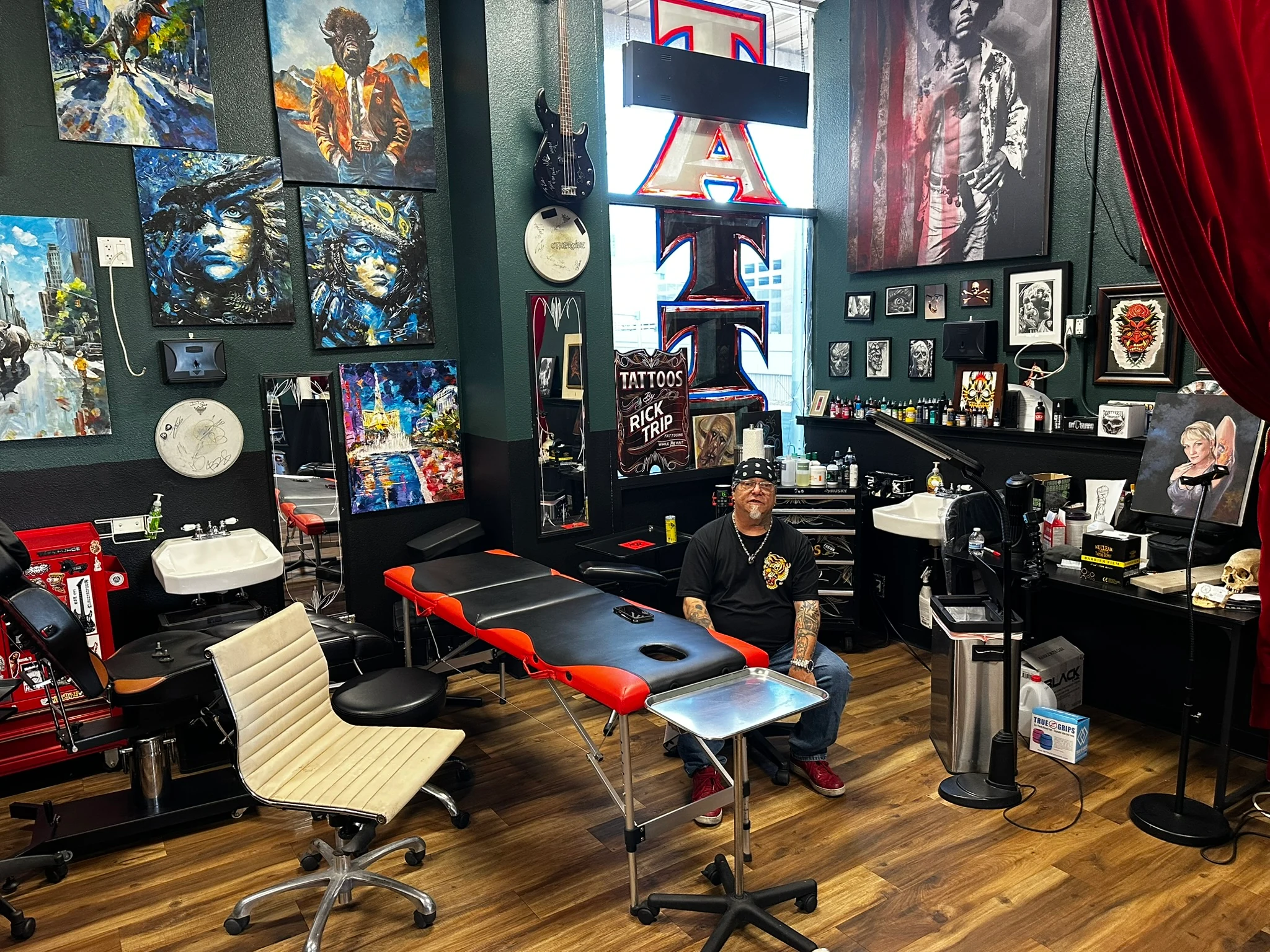
Rick Trip facing the camera in his tattoo studio, with framed artwork, red curtains and black-and-red tattoo furniture
Rick Trip in his actual working studio. Owner-supplied photograph—not a generated recording set.
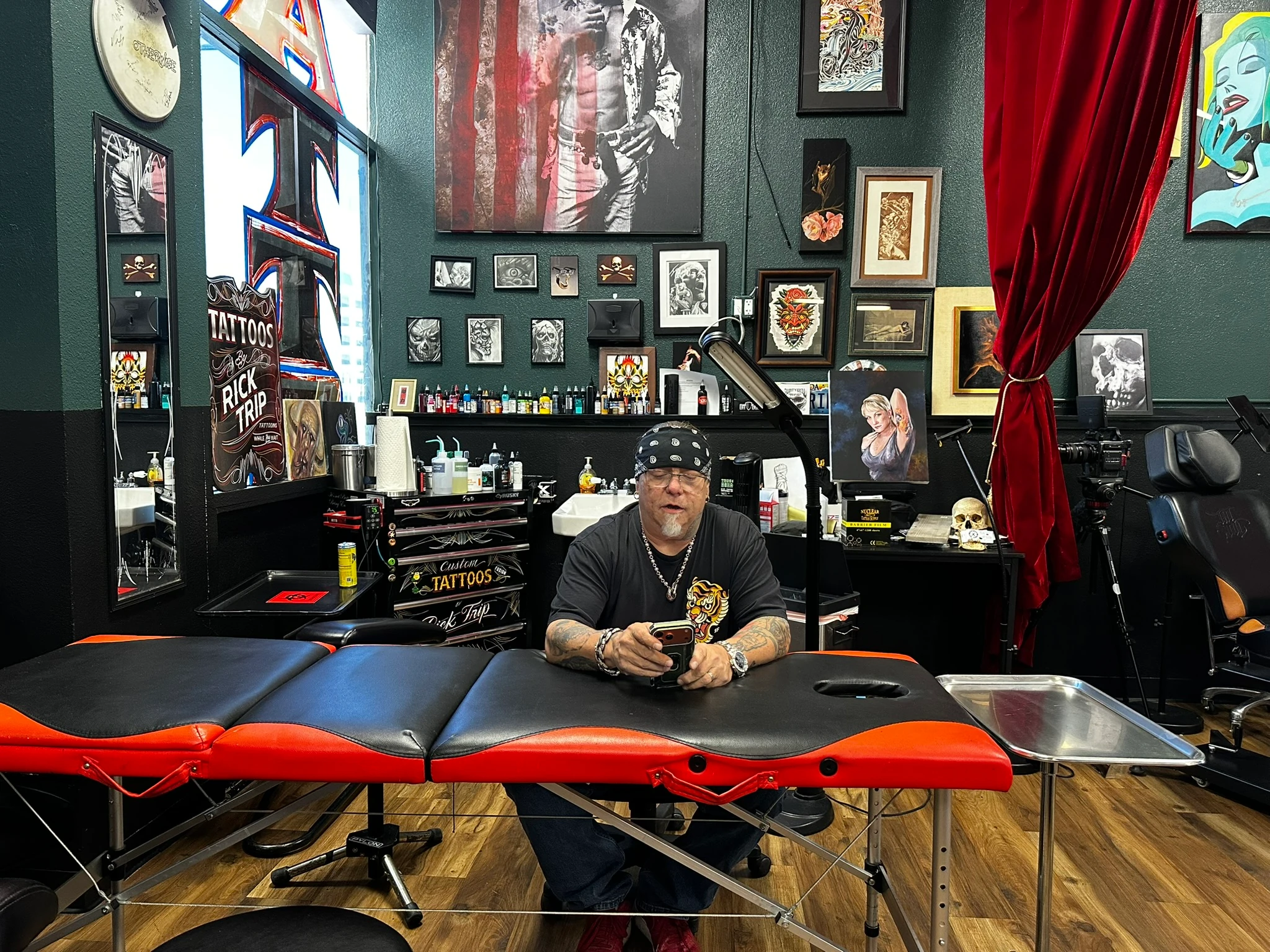
Rick Trip seated behind a red-and-black tattoo table in his studio, surrounded by framed artwork and tattoo equipment
Rick in his own environment. Genuine studio photography; not footage of a recorded guest conversation.

Rick Trip knows everybody

The connection is the story.

People come to an artist with more than a design. They bring a history, a new chapter, an identity, a choice. Rick’s studio gives those stories a place to begin.

The original concept takes that connection beyond the chair: artist and guest, tattoo and personal meaning, the city around them, then the energy of a shared night. Your life. Your story. Own it.

The original show format

Four beats.
One unfolding story.

The same creative spine connects the conversations, the event day and the edited episodes.

The Story

First, meet the person.

Rick starts with the life behind the ink: the road here, the people who mattered, the choices that left a mark. His world brings artists, clients, musicians and Las Vegas characters into the same conversation. The guest is a person with a story—not a polished introduction.

The opening conversation gives the episode its human thread.
The Tattoo

Then, watch the craft.

The story meets the work: an artist's style, a design taking shape, the concentration and trust around the chair. Different tattoo disciplines bring different visual voices. The original first-three concept directions move from cinematic storytelling into black-and-grey and colour-realism treatments.

Meaning becomes something you can see. Participation and any tattoo work require separate agreement.

The Vegas Culture

Take it out into the city.

The proposed day leaves the shop for a bus-based Las Vegas outing. Rick's world opens into the streets, creative places and people around it. The city is part of the experience—not simply a skyline behind another studio interview.

The outing connects the conversation and the tattoo to the life around them. Routes and locations are not booked.

The After Party

Bring the night together.

The final beat is a proposed music-and-nightlife culmination: people coming together, performance, conversation and the energy after the tattoo day. That shared night supplies a different kind of closing scene. It is part of the event story—not just a reflective question at the end of a podcast.

The day becomes a shared experience. Venue, music, talent and permissions remain to be arranged.

The Tattoo

The artist’s world is not a backdrop.

The paintings, ink, tools and hand-lettered signs are part of the identity. The production should grow from Rick’s actual working environment—not replace it with an anonymous chair and a microphone.

Different artists and tattoo styles give the season distinct visual voices while the human story keeps it coherent.

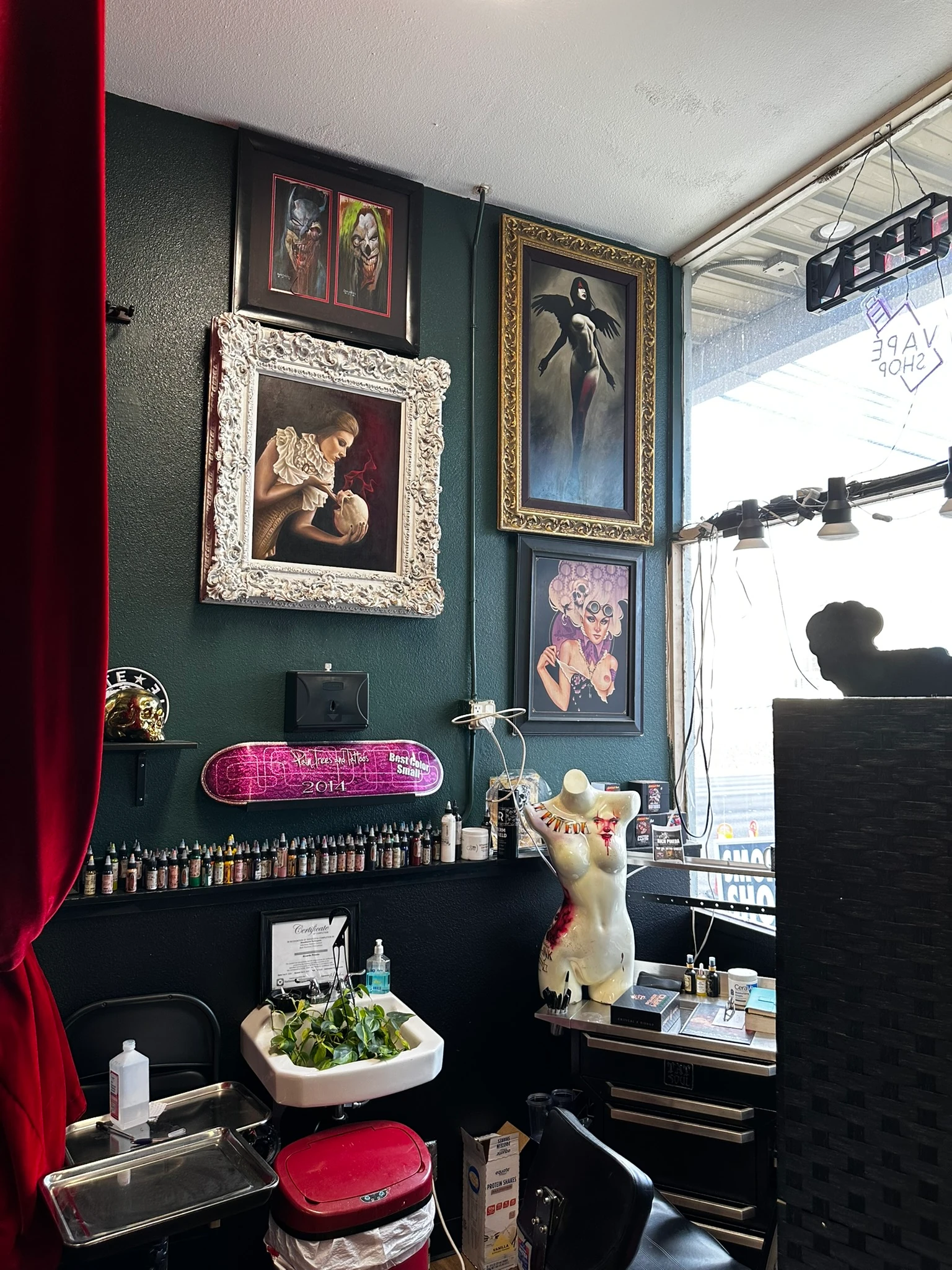
Close view of framed artwork, tattoo ink bottles, a sink and studio objects beside a window and red curtain
Framed art, ink and studio objects: a closer look at the craft-led environment.
Illustrative Las Vegas street and neon city context for the proposed outing
Existing illustrative Vegas context—not footage of a confirmed route, bus trip or venue.

From the shop into the night

Las Vegas is part of the action.

The conceived city outing gives the day movement. The after-party gives it a shared closing scene: music, people and the night that follows. These are actual parts of the proposed format, not decorative labels.

The city outing The music & after-party

The first season · planned

Twelve installments.
One connected world.

A teaser opens it. Ten core stories carry it. A separate wrap-up brings it together. The original plan is video-first: 12–18-minute core episodes, released weekly between capture days.

Who’s next?

The original linking device holds back a name, then reveals the next guest. An ending opens the next story—giving the season a thread to follow, rather than ten unrelated interviews. Casting and use of the reveal are still to be finalized.

Working editorial outline—not released episodes. The source establishes the season structure and first-three style directions; final titles, guests and stories are still to be selected with Rick.

Teaser · working title

Meet the world of Alone and Unarmed.

Introduce the host, the studio and the whole day.

A first look at Rick, the craft, the city outing and the night that follows. The teaser opens the season without giving away every full conversation.

How it belongs: Establish the four-part journey before the core stories begin.

The larger experience · proposed

One capture day.
A season to unfold.

The quarterly live-event concept follows several strands of the day: conversations around artist stations, the tattoo process, the city outing and the after-party.

The source live-room plan uses five artist positions. The operator follows a story long enough to draw viewers in, then moves to another moment. Those glimpses build interest; the edited episodes carry the fuller stories.

A live event day Captured storiesTwelve planned installments

The event is conceived as a quarterly return. Schedule, casting, locations, music rights and production are subject to development—not announced commitments.

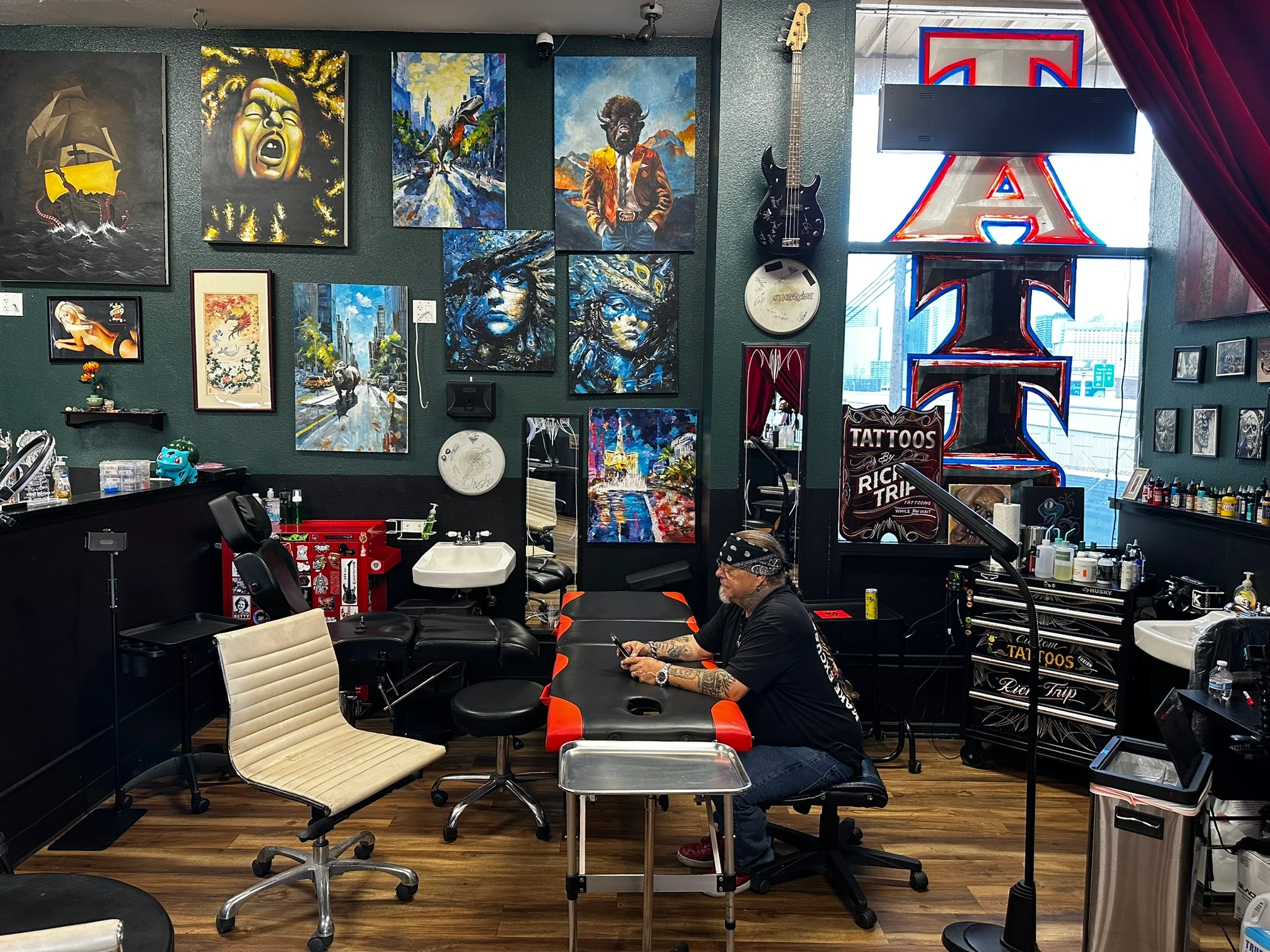
Wide view of Rick Trip's working tattoo studio, showing art-covered green walls, tattoo chairs and Rick seated at a workstation
A wider view of the studio: the chairs, paintings, workstations and hand-lettered tattoo signage.

A place in the story

Come for the conversation.
See where it leads.

Bring a story, explore a considered partnership, or start a conversation about the show.

Bring your story Explore partnership fit